Need Water Heater Repair in Rockwall? 7 Things To Check Before Calling a Copeland Plumber.
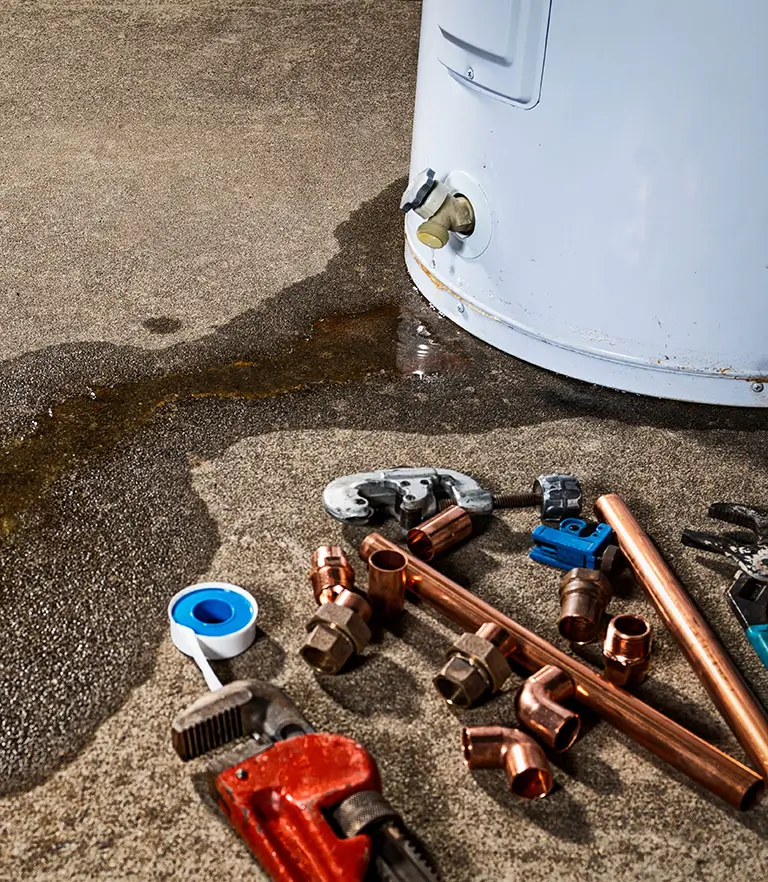
Water Heater Not Working in Rockwall? 7 Things to Check Before You Call For Water Heater Repair
When your water heater stops doing its job, it can throw off your whole day. Cold showers, dishes that do not rinse clean, laundry that will not wash properly, and running out of hot water too quickly are all signs that something is not right.
For homeowners in Rockwall, TX, water heater problems can happen for several reasons. Sometimes it is a simple setting. Sometimes it is an electrical or gas issue. Other times, the tank may have sediment buildup, corrosion, or worn-out parts that need professional repair.
Before you assume the worst, there are a few safe checks you can make. These quick troubleshooting steps may help you understand what is going on and whether it is time to call Copeland Home Services for water heater repair.
1. Start With the Power Source
The first thing to check is whether your water heater is actually getting power or fuel.
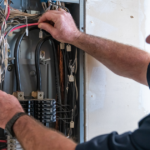
For an electric water heater, make sure the unit has power and check your breaker panel. A tripped breaker can shut the system down completely. If the breaker is off, reset it once and see if the water heater begins working again.
For a gas water heater, check that the gas supply valve is open and that the pilot light is lit, if your system uses one.
If the breaker trips repeatedly, the pilot will not stay lit, or you notice flickering lights or other electrical issues in the home, stop troubleshooting and call a professional. Repeated breaker trips can point to a larger electrical problem that should not be ignored.
2. Check the Thermostat Setting
A thermostat that is set too low can make it seem like your water heater is not working, even if the system is still operating.
Most homes do well with the water heater set around 120 degrees Fahrenheit. This is hot enough for everyday use while helping reduce scalding risk and unnecessary energy use.
If the setting is much lower, adjust it and give the tank time to heat. If the water still does not get hot, the thermostat itself may be failing, or there may be a problem with the heating elements, burner, or internal components.
Also pay attention to inconsistent water temperature. If the water swings from hot to cold or runs out much faster than it used to, the issue may be more than a simple setting.
3. Look at the Circuit Breaker
If you have an electric water heater, your electrical panel can tell you a lot.
Find the breaker labeled for the water heater. If it has tripped, move it fully to the off position and then back on. After resetting it, wait to see whether hot water returns.
A breaker that trips once may be a minor interruption. A breaker that trips again is a warning sign. It could mean there is a short, a bad heating element, damaged wiring, or another electrical concern.
Do not keep resetting the breaker over and over. That can create a safety risk and may damage the system further. If the breaker will not stay on, schedule service with a licensed professional.
4. Watch for Leaks Around the Tank
Water around your water heater is never something to brush off.
Check the area around the base of the unit, the pipes above the tank, the drain valve, and the water connections. Look for dripping, moisture, rust, or small puddles.
A leak from a fitting or valve may be repairable. A leak from the tank itself is more serious. Once the inside of a tank begins to corrode, replacement is often the safer long-term solution.
This is especially important in Rockwall homes where water heaters may be installed in garages, closets, utility rooms, or attic spaces. Even a slow leak can cause damage if it goes unnoticed.
If you see water near the unit and cannot identify the source, call Copeland Home Services before the problem grows.
5. Consider Whether Sediment Buildup Is the Problem
Over time, minerals and sediment can collect at the bottom of a tank water heater. This is common in many North Texas homes and can affect performance.
Sediment buildup can cause popping, rumbling, or knocking sounds when the water heater runs. It can also make the system work harder to heat the same amount of water. That means less efficiency, higher utility costs, and more wear on the unit.
Flushing the tank can help remove sediment and improve performance. Many homeowners have their water heater flushed once a year as part of regular maintenance.
That said, flushing is not always a simple DIY task, especially if the unit is older, has not been maintained, or has valves that are stuck or corroded. If you are not comfortable draining the tank safely, it is better to have a professional handle it.
6. Check the Pressure Relief Valve Safely
The temperature and pressure relief valve is an important safety feature on your water heater. It is designed to release excess pressure from the tank.
You can usually find this valve near the top or side of the water heater with a small lever and a pipe extending downward.
Before touching anything, be careful. The water inside the tank can be very hot. If you see water dripping from the relief valve or signs of corrosion around it, the valve may need attention.
A faulty pressure relief valve should not be ignored. It helps protect the tank from dangerous pressure buildup. If it is leaking, stuck, damaged, or not working correctly, have it inspected and replaced by a licensed professional.
7. Ask About the Anode Rod
The anode rod is one of the most important parts of a tank water heater, but many homeowners have never heard of it.
Its job is to help protect the inside of the tank from corrosion. Over time, the rod wears down. Once it is too deteriorated, the tank itself becomes more vulnerable to rust.
Signs of corrosion, rusty hot water, metallic-smelling water, or an older tank may all be reasons to have the anode rod inspected.
Replacing an anode rod at the right time can help extend the life of a water heater. However, removing and replacing one can be difficult, especially if the rod is stuck or the unit is older. This is a good maintenance item to ask about during a professional water heater inspection.
When to Stop Troubleshooting and Call a Plumber
Some water heater problems are simple. Others can involve gas, electricity, pressure, or active leaks. Knowing when to stop is important.
Call a professional if:
Your breaker keeps tripping
Your pilot light will not stay lit
You smell gas near the unit
You see water leaking from the tank
Your hot water is rusty or discolored
The water heater is making loud rumbling noises
The system is over 10 years old and having repeated issues
You are not comfortable checking valves, wiring, or components
A water heater repair should restore comfort, but it should also protect your home and your safety.
Water Heater Repair in Rockwall, TX
When your water heater is not working, Copeland Home Services can help you figure out what is wrong and what to do next.
Our team provides water heater repair, maintenance, replacement, and installation for homeowners in Rockwall and surrounding communities. Whether you are dealing with no hot water, strange noises, leaks, rusty water, or a unit that cannot keep up with your household, we can inspect the system and explain your options clearly.
We focus on honest recommendations, dependable workmanship, and practical solutions for your home.
Schedule Water Heater Service With Copeland Home Services
A broken water heater does not always mean you need a new one, but it does mean the problem should be checked before it gets worse.
Try the simple steps first. Check the power source, thermostat, breaker, visible leaks, and signs of sediment buildup. If the issue is not obvious or the system seems unsafe, let Copeland Home Services take it from there.
For water heater repair in Rockwall, TX, contact Copeland Home Services today.