DIY Water Leak Detection Tips for Rockwall Homeowners
DIY Water Leak Detection Tips for Rockwall Homeowners
A hidden water leak can do a lot of damage before you ever see standing water. A slow drip under a sink, a leaking toilet, a cracked supply line, or moisture behind a wall can quietly lead to water damage, mold growth, higher water bills, and costly repairs.
For homeowners in Rockwall, TX, catching leaks early is especially important. North Texas homes can deal with shifting soil, foundation movement, aging plumbing, high water usage, and seasonal weather changes that put extra stress on pipes and fixtures.
The good news is that many water leak warning signs can be spotted before the problem gets out of hand. With a few simple checks, you can better protect your home and know when it is time to call Copeland Home Services for professional leak detection and plumbing repair.
Why Small Water Leaks Should Not Be Ignored
A small leak may not seem urgent at first, but even a slow drip can create bigger problems over time.
Water can damage cabinets, flooring, drywall, insulation, trim, and personal belongings. Moisture can also create the right conditions for mold and mildew, especially in areas that do not dry quickly.
Leaks can also raise your monthly water bill. If your usage has not changed but your bill suddenly increases, your plumbing system may be losing water somewhere.
The sooner you find the source, the easier it is to prevent damage.
Common Signs You May Have a Water Leak
Not every leak is obvious. Some leaks happen behind walls, under flooring, beneath the foundation, or inside cabinets.
Watch for these warning signs around your home:
Unexpected increases in your water bill
Damp spots on walls, ceilings, floors, or baseboards
Peeling paint or bubbling drywall
Musty odors in certain rooms
Mold or mildew growth
Warped flooring or cabinetry
Low water pressure
The sound of running or dripping water when fixtures are off
Warm spots on the floor
Cracks in walls, tile, or flooring
Puddles near plumbing fixtures or appliances
One sign by itself does not always confirm a leak, but it is worth investigating. If you notice several of these symptoms, it is time to take a closer look.
Start With the Areas Most Likely to Leak
When checking your home for leaks, begin where water is used most often.
Under Sinks
Look under kitchen and bathroom sinks for moisture, water stains, swollen cabinet bottoms, or soft wood. Check the supply lines, drain connections, shutoff valves, and P-trap.
Even a small drip can damage cabinetry over time, especially if cleaning supplies or stored items hide the problem.
Around Toilets
Toilets are a common source of hidden leaks.
Look for water around the base of the toilet, loose flooring, or discoloration nearby. Also listen for a toilet that runs long after flushing. A worn flapper or internal tank issue can waste water continuously.
You can also place a few drops of food coloring in the toilet tank. Wait about 10 to 15 minutes without flushing. If color appears in the bowl, water is leaking from the tank into the bowl.
Near Water-Using Appliances
Check behind and around appliances connected to water lines, including:
Dishwashers
Washing machines
Refrigerators with ice makers or water dispensers
Water heaters
Look for cracked hoses, loose connections, rust, corrosion, damp flooring, or small puddles. Washing machine hoses are especially important to inspect because a failed hose can release a large amount of water quickly.
Inspect Walls, Ceilings, and Flooring
Plumbing leaks are not always located directly under a fixture. Water can travel along pipes, framing, or drywall before it becomes visible.
Walk through your home and look for changes in surfaces.
Ceiling stains may point to a plumbing leak above the room. Bubbling paint or soft drywall may indicate moisture inside the wall. Warped wood floors, loose tile, or musty-smelling carpet can also be signs of hidden water.
In Rockwall homes, foundation movement can sometimes affect plumbing lines. If you notice unexplained flooring changes, damp spots, or hot areas on the floor, it is worth having the issue inspected.
Check Your Water Heater Area
Your water heater should be part of your leak inspection.
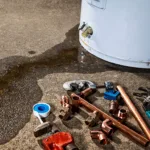
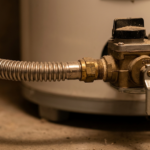
Look around the base of the tank for water, rust, or mineral buildup. Check the drain valve, water supply connections, temperature and pressure relief valve, and the pipes entering and leaving the unit.
A small leak from a valve or fitting may be repairable. Water coming from the tank itself can be a sign of corrosion and may mean replacement is needed.
If your water heater is located in an attic, closet, or garage, do not wait to address moisture. A leaking water heater can cause damage quickly.
Look Outside the Home
Leaks can also happen outside, especially around irrigation systems, hose bibs, outdoor faucets, pool fill lines, and underground water lines.
Walk around your property and check for:
Soft or muddy spots in the yard
Unusually green patches of grass
Water pooling near the foundation
Dripping hose bibs
Cracked outdoor faucet connections
Wet areas when it has not rained
Soggy soil near irrigation heads
Also check gutters and downspouts. While they are not part of your plumbing system, poor drainage can send water toward your foundation and create moisture problems around the home.
Make sure the soil around your home slopes away from the foundation so water drains properly.
Use Your Water Meter to Check for Hidden Leaks
Your water meter can be one of the simplest tools for detecting a possible hidden leak.
First, turn off all water inside and outside the home. Make sure faucets, showers, washing machines, dishwashers, irrigation systems, and ice makers are not running.
Then check your water meter. If the meter continues to move while everything is turned off, water may be flowing somewhere in the system.
You can also write down the meter reading before leaving the home for a few hours. Do not use water during that time. When you return, check the meter again. If the reading has changed, there may be a leak.
This test will not tell you exactly where the leak is, but it can help confirm that water is being used when it should not be.
Pay Attention to Your Water Bill
A sudden water bill increase is one of the most common signs of a hidden plumbing leak.
Compare your current bill to previous months. If your usage has jumped and your household routine has not changed, there may be a leak.
This is especially helpful for catching toilet leaks, underground leaks, and slow plumbing leaks that may not be immediately visible.
Do not dismiss a higher bill as a one-time issue until you have checked for possible causes.
When DIY Leak Detection Is Not Enough
DIY checks can help you spot warning signs, but some leaks require professional equipment and experience to locate.
Call a plumber if you notice:
Persistent dampness or musty odors
Water stains that keep growing
A water meter that moves when everything is off
Sudden water bill spikes
Warm spots on the floor
Low water pressure
Mold or mildew near plumbing areas
Water pooling around the foundation
Signs of a slab leak
A leak you cannot locate
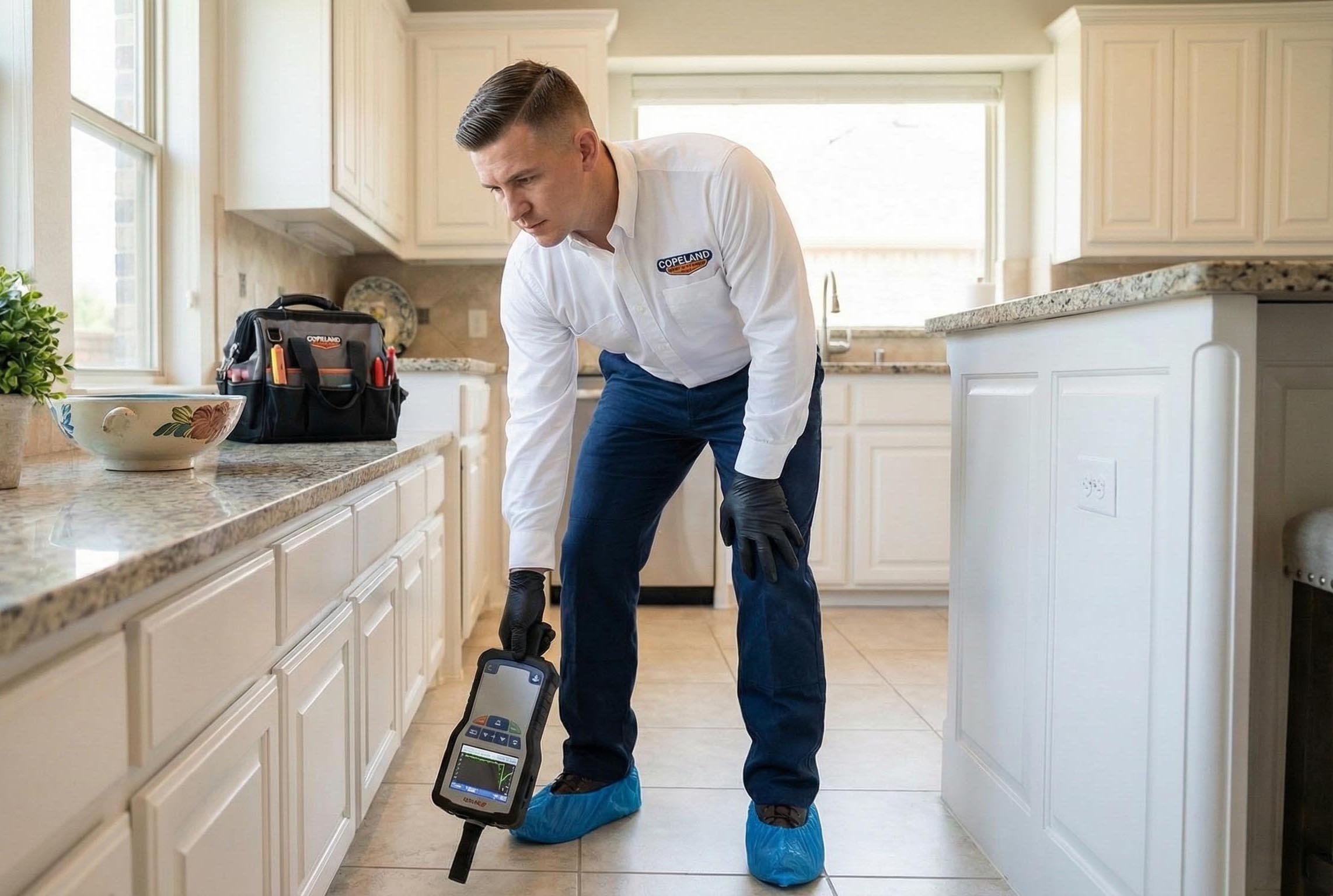
Professional leak detection can help find the source without unnecessary damage to your home. The right tools can identify hidden moisture, pressure problems, underground leaks, and plumbing issues behind walls or under floors.
Professional Leak Detection in Rockwall, TX
If you suspect a water leak in your Rockwall home, Copeland Home Services can help.
Our plumbing team can inspect your home, locate the source of the problem, and recommend the right repair. Whether the issue is under a sink, behind a wall, near your water heater, outside the home, or under the slab, we are here to help protect your home from further damage.
We focus on honest service, clear communication, and dependable plumbing solutions for homeowners in Rockwall and surrounding communities.
Schedule Water Leak Detection With Copeland Home Services
Water leaks rarely fix themselves. The earlier you catch them, the better chance you have of avoiding water damage, mold, and expensive repairs.
Check the common problem areas, watch your water bill, and use your water meter if you suspect something is wrong. If you cannot find the source or the signs keep coming back, call Copeland Home Services for professional leak detection in Rockwall, TX.