9 Warning Signs Your Forney Home Has Electrical Problems
Most electrical problems in a home start small. A flickering light here. A warm outlet there. Then one day a breaker won’t reset and you’re sitting in the dark. We’re Copeland Home Services, a licensed electrical, HVAC, and plumbing team based right here in Forney, and we’ve seen every kind of wiring issue Texas homes throw at us. The warning signs below are the ones we get called out for most often, and catching them early is the difference between a quick fix and a rewire.
Spotting warning signs in your home? Call us at (469) 720-4440 for a same-day electrical inspection.
Key Takeaways
- Flickering lights, tripped breakers, and warm outlets are the three most common electrical problems home inspectors flag in Forney.
- Burning smells, buzzing outlets, or scorch marks mean shut off the breaker and call a licensed electrician right away.
- Homes built before 1985 often have outdated wiring that can’t handle modern AC loads during Texas summers.
- Dead outlets and dimming lights when appliances kick on usually point to overloaded circuits, not bad bulbs.
9 Electrical Problems Every Forney Homeowner Should Recognize
You flip the switch in the hallway. Nothing. You jiggle it. Still nothing. Then the kitchen lights start flickering for no reason while the AC kicks on.
Those are two of the most common signs of electrical issues in home wiring we see across Forney, from older established neighborhoods to newer 2000s-era builds out near Heath and Sunnyvale. Some are minor. Some are a fire waiting to happen.
This article covers 9 electrical problems home checks every homeowner should know: flickering lights, dead outlets, tripped breakers that keep tripping, warm switch plates, burning smells, and the rest. We tell you what each one means, why it matters, and which ones need an electrician at your door today.
Catch it early and the fix is usually cheap. Ignore it and you’re looking at rewiring, panel replacement, or worse. Our team answers electrical calls 24/7, so no matter what time it is, you can get a real person on the phone.
Signs 1-3: The Ones Most Forney Homeowners Ignore First
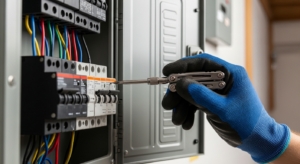
These are the warning signs people brush off the longest. They feel minor. They aren’t. Most of the electrical fires we get called about started with one of these three symptoms months earlier.
Sign 1: Flickering or Dimming Lights
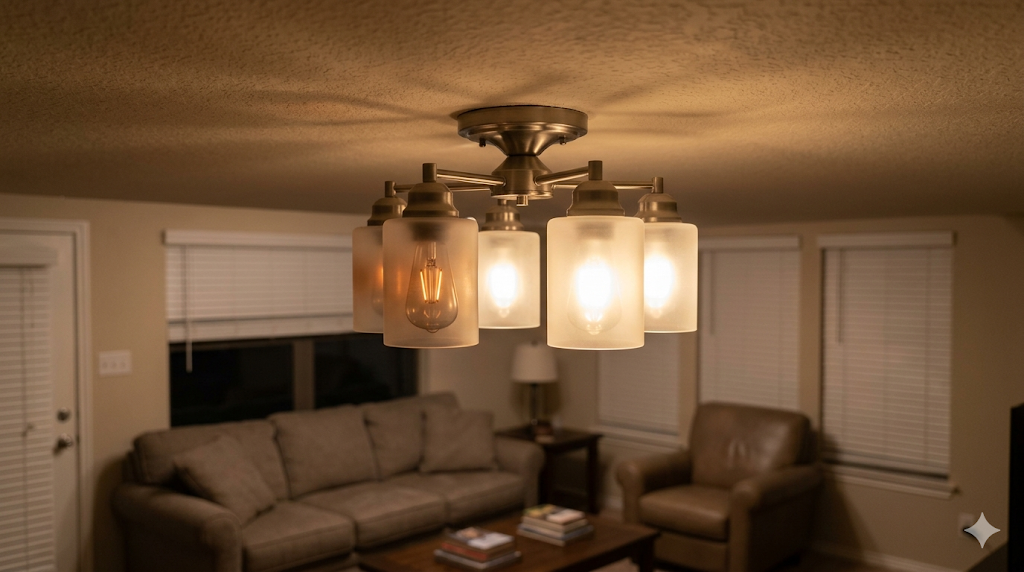
One bulb flickering in one fixture? Probably just the bulb. Swap it and move on. But when lights dim across multiple rooms, or every time the AC kicks on the whole living room dips, that’s a different problem.
Flickering lights are widely cited as the number one visible symptom of deeper wiring trouble.
We see it constantly in homes around Heath, Sunnyvale, and the older Forney area subdivisions built during the early-2000s growth boom. Many of those houses still run on 100-amp panels never sized for today’s electronics, two-stage HVAC systems, and EV chargers. The loose neutral or overloaded main shows up as dimming first. Fire comes later.
If your lights dim when a large appliance starts up, get the panel checked. You can read more in our electrical service articles.
Sign 2: Circuit Breakers That Keep Tripping
A breaker tripping once in a blue moon is the system doing its job. A tripped circuit breaker on the same circuit week after week is the system begging for help.
Here’s how to tell the difference. If the same appliance trips the breaker no matter which outlet you plug it into, the appliance is the problem. If one specific circuit keeps tripping regardless of what’s plugged in, the circuit is overloaded or the breaker itself is failing. Old breakers wear out. They get weak and trip at lower and lower loads, or worse, fail to trip at all when they should.
Don’t keep resetting it and hoping. That’s how small problems turn into burnt wires inside the wall.
Sign 3: Warm Outlets or Switch Plates
A dimmer switch plate can feel slightly warm under heavy use. A phone charger plug can feel a little warm after hours of charging. That’s normal.
What’s not normal: an outlet that feels hot with nothing plugged in. That’s resistance heating from a loose connection inside the box, and it’s one of the clearest fire warnings you’ll ever get. Same goes for any outlet that’s discolored, buzzing, or showing scorch marks around the slots.
While you’re checking, hit the test button on every GFCI outlet in your kitchen and bathrooms. Once a month. Takes ten seconds. If it doesn’t pop and reset cleanly, the GFCI is dead and needs replacing.
Signs 4-6: Problems That Get Worse Fast in Texas Heat

These next three signs share something in common. Summer heat makes them worse. Attic temperatures in this part of North Texas push past 140°F by mid-July, and that heat bakes the wiring insulation up there until it turns brittle. Add an AC unit running 14-hour cycles, and marginal connections start to fail. Here’s what to watch for.
Sign 4: Dead Outlets Throughout the House
An outlet stops working but the breaker isn’t tripped. What gives? Nine times out of ten, a GFCI somewhere else in the house tripped and killed power to that outlet downstream.
Before you call us, do this quick check:
- Press the reset button on every GFCI outlet in your bathrooms, kitchen, garage, laundry room, and exterior walls.
- Check the breaker panel for anything sitting halfway between on and off. Flip it fully off, then fully on.
- Test the dead outlet again.
If that doesn’t fix it, you’ve got a deeper problem. Dead outlets in the house often point to a loose backstab connection inside the box, a failed outlet, or worse, heat-damaged wiring in the attic run feeding that circuit. Don’t ignore it. A dead outlet today can be an arcing outlet next month.
Sign 5: Burning Smell or Scorch Marks
Smell something burning near an outlet, switch, or your panel? Call us same-day. This is not a “wait and see” situation.
Here’s the chain reaction: a loose connection creates electrical resistance. Resistance creates heat. Heat melts insulation. Melted insulation exposes copper. Exposed copper arcs. Arcing starts fires. Electrical failures are among the leading causes of home structure fires every year, according to the NFPA, and most of them start exactly this way.
Brown or black scorch marks around an outlet face mean it’s already happened once. If the smell is coming from your breaker panel, shut off the main and call us before you do anything else. That’s often a sign you need electrical panel replacement in Forney, especially in homes built before the late 1990s.
Sign 6: Buzzing, Humming, or Crackling Sounds
Electricity is supposed to be silent. If you hear it, something’s wrong.
A low buzz from a dimmer switch with cheap LED bulbs? Usually a compatibility issue, not dangerous. A buzz from your electrical panel? Different story. That’s typically a loose breaker, a failing breaker, or aluminum wiring expanding and contracting at the lug. Crackling sounds coming from inside a wall are the worst of the three. That’s arcing, and arcing inside a wall cavity is how house fires start before anyone smells smoke.
If you can hear your electrical system from across the room, stop using that circuit and get us out there. We’d rather come look at something minor and prevent a bigger problem than show up after the drywall is already smoking.
Signs 7-9: Panel and Wiring Problems in Forney’s Housing Stock
The town’s growth came in waves. Older homes near downtown went up in the 1970s and 80s. Then early-2000s subdivisions in Travis Ranch and Windmill Farms. Each era left behind its own electrical headaches. The last three warning signs on our list almost always trace back to the panel or the wiring behind your walls.
Sign 7: You Still Have a Fuse Box Instead of a Breaker Panel
If you twist a screw-in fuse to reset power, you have a fuse box. We still find them in homes near the original town center built before 1985. It is not illegal. But it predates modern AFCI and GFCI standards by decades.
Insurance is the bigger issue now. Carriers in Texas are surcharging or flat-out denying coverage on homes with fuse panels. Some homeowners in the area have received non-renewal letters because of it. A breaker panel upgrade is one of those repairs that pays for itself the first time your premium does not jump.
Sign 8: Extension Cords Doing the Job of Permanent Wiring
Walk through your house. Count the extension cords powering things that never get unplugged. The TV in the spare bedroom. The freezer in the garage. The space heater your kid runs all winter.
Using extension cords as permanent wiring violates code for a reason. Cord misuse is a documented cause of thousands of house fires every year. Most of the homes we see in Mesquite and Sunnyvale were never wired for home offices, EV chargers, or modern kitchen loads. If you need power somewhere there is no outlet, the answer is a new circuit, not a heavier cord. We also handle EV charger installation in Forney when your garage outlet is not cutting it.
Sign 9: Lights Dimming Every Time the AC Cycles On
Your lights dim when the AC kicks on because the compressor pulls a massive startup current, and your electrical system is straining to deliver it. A brief flicker on the first hot day of the year? Normal. Visible dimming every single cycle? Not normal.
This one straddles two trades. It could be an undersized panel, common in those early-2000s subdivisions where 100-amp service is feeding a 4-bedroom house with two AC units. Or it could be the compressor itself drawing too much because it is on the way out. We see both, and they often show up together. If the AC side is suspect, our write-up on common air conditioner problems is a good starting point.
Seeing any of these nine signs in your house? Our licensed electricians cover the area 24/7. Call (469) 720-4440 and we will get someone out to take a look. Better to catch it now than deal with a wall fire or an unplanned panel replacement next month.
Frequently Asked Questions
How Much Does It Cost to Fix Common Electrical Problems in a Home?
Repair costs vary widely depending on the issue. Replacing a single outlet or switch typically runs between $100 and $250, while a full panel upgrade can range from $1,500 to $3,500 or more. Copeland Home Services provides upfront pricing before any work begins, so Forney homeowners know exactly what to expect without surprise charges.
Is It Safe to Stay in My Home If I Smell Burning Near an Outlet?
A burning smell near an outlet or panel is a potential fire hazard and should be treated as an emergency. You should avoid using that circuit, and if the smell is strong or you see any smoke, leave the home and call 911 before contacting an electrician. Once the immediate danger is addressed, Copeland Home Services can inspect the wiring to find and fix the root cause.
How Long Does a Home Electrical Inspection Take?
A standard electrical inspection for a typical single-family home in Forney usually takes between one and three hours, depending on the size of the home and how accessible the panel and wiring are. Older homes with original wiring or fuse boxes may take longer since the electrician needs to trace circuits more carefully. You will receive a written summary of any issues found and recommended repairs.
Can Electrical Problems Affect My Homeowners Insurance Coverage?
Yes, many insurance carriers in Texas can deny a claim or cancel a policy if outdated or unsafe electrical systems contributed to a fire or other loss. Some insurers also require a licensed electrician’s inspection report before issuing or renewing a policy on older homes. Keeping records of professional repairs done by a licensed contractor like Copeland Home Services can support your coverage and your claim if one ever becomes necessary.
What Is the Difference Between a GFCI Outlet and a Standard Outlet?
A GFCI, or ground fault circuit interrupter, outlet monitors the flow of electricity and shuts off power within milliseconds if it detects a ground fault or shock risk. Standard outlets do not have this protection, which is why GFCI outlets are required by code in bathrooms, kitchens, garages, and outdoor locations. If your home has standard outlets in any of those areas, replacing them is a straightforward upgrade that significantly reduces shock and fire risk.
How Often Should I Have the Electrical System in My Forney Home Inspected?
Most licensed electricians recommend a full inspection every three to five years for homes under 25 years old, and every one to two years for older properties or homes that have had recent additions or renovations. If you purchase a previously owned home in Forney, an inspection before or shortly after closing is strongly advised regardless of the home’s age. Copeland Home Services can schedule routine inspections to catch small issues before they become expensive or dangerous problems.
Will Fixing Electrical Problems Increase My Home’s Resale Value?
Correcting code violations and upgrading outdated systems almost always improves a home’s marketability and can prevent a sale from falling through during the buyer’s inspection period. Buyers and their agents in the Forney area are increasingly aware of electrical red flags, and a home with a recently upgraded panel or new wiring often commands stronger offers. While the dollar-for-dollar return varies, avoiding a failed inspection or a price reduction negotiation is itself a measurable financial benefit.
Call to Discuss Your Home Service Needs Today!
Ready to book with Copeland Home Services? Or call (469) 720-4440 to speak with our team directly.